
Parakeet Panic
Digging through 783 pages of pure, uncut moral panic about wild parrots

Those of you who live in Brooklyn may know there’s a fairly substantial population of wild monk parakeets who live in a gigantic nest in the gates to Green-Wood Cemetery.
Green-Wood is Brooklyn’s biggest cemetery; it’s the site of the largest battle of the revolutionary war; and it is one of the only places in New York City where these birds have been able to hang out without someone trying to kill them since the 1970s.
I know this because in the New York State Archives, there is a folder 783 pages long that details the state campaign to kill all the birds. And it is amazing.
[Archival incoming; for the full story, listen to last week’s Last Archive here]
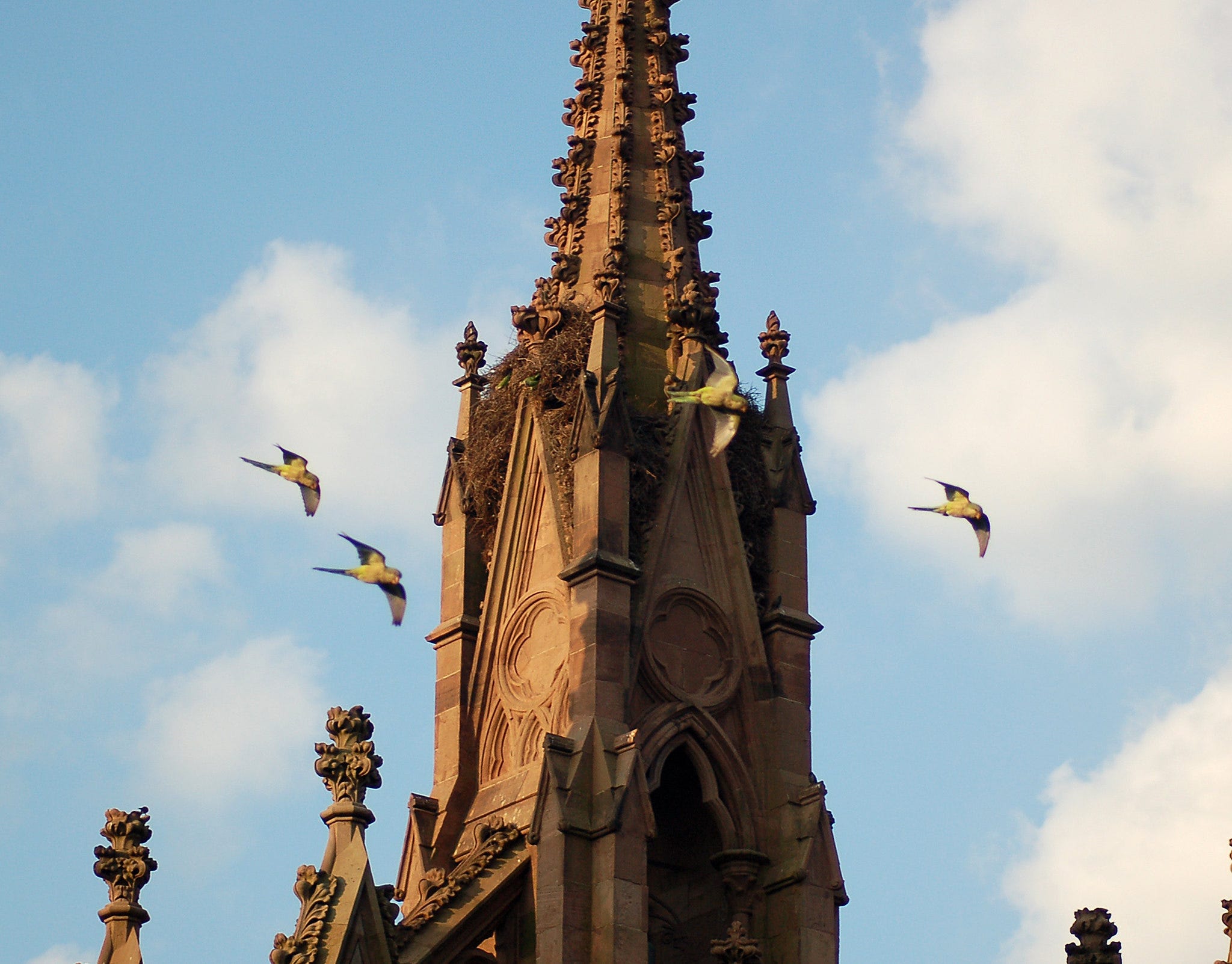
Nobody is exactly sure how the parakeets got here, but in broad strokes: In the 1960s, North Americans got really into keeping exotic birds as pets, which was great news for South Americans, where the birds were widely regarded as agricultural pests. Over a three year period, more than 60,000 birds were imported into the U.S. This was a craze. There were even records to help train your parakeet to speak.
But parakeets are not the best housemates. They tend to be raucous, they need a lot of attention, and they love to fight. Also, you can teach them to speak but … you can’t control what they say. It gets irritating quickly, particularly in small apartments. So people started to let them loose. Supposedly a crate broke open at JFK airport and unleashed a whole bunch into the wild.
Then, they found each other. Then, they started mating. Then: Parakeet Panic.
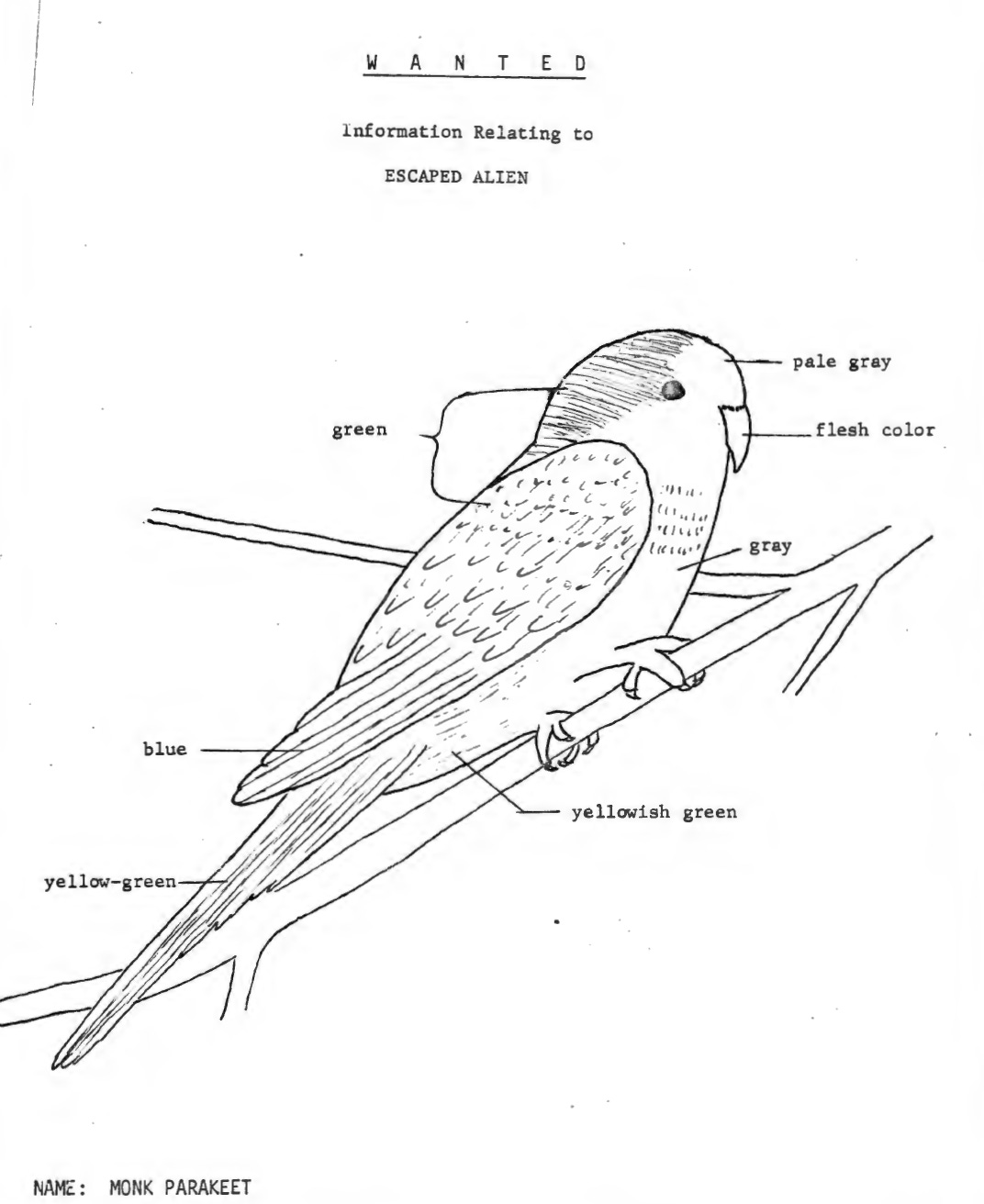
There were even wanted posters. State officials called for ‘tens of thousands of man-days’ to be put towards exterminating the parrots.
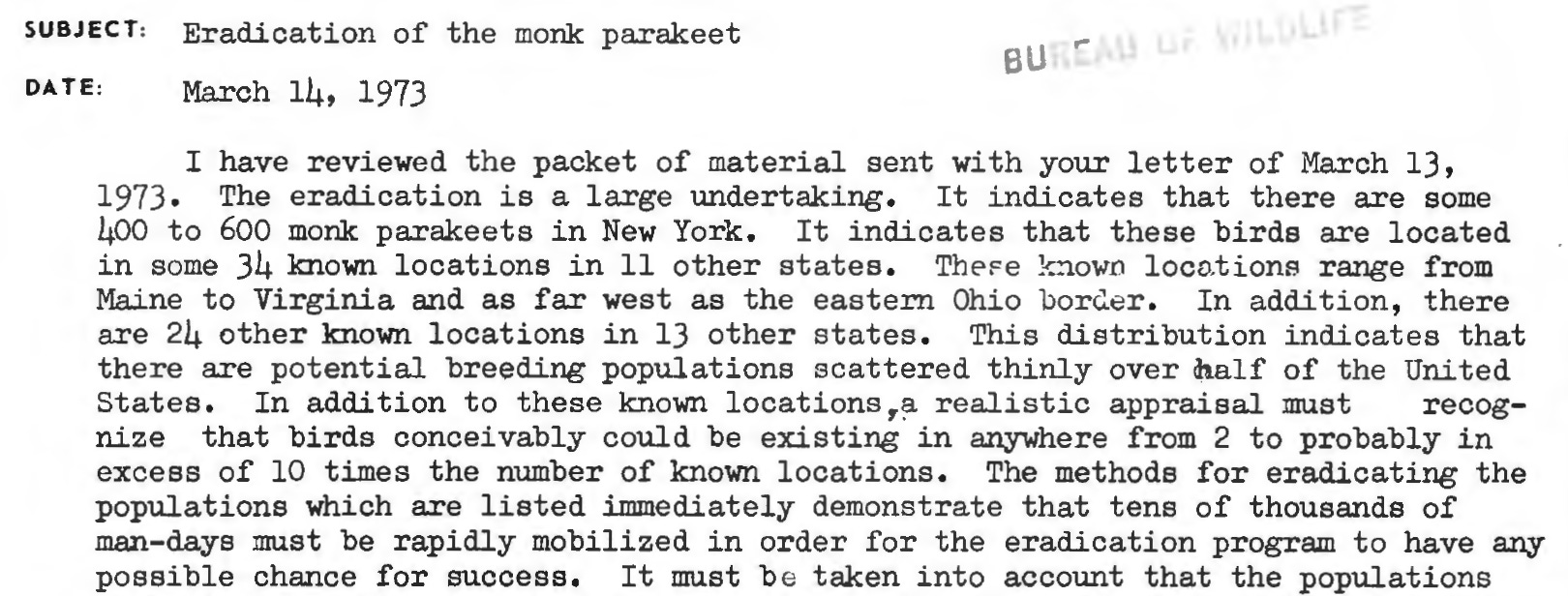
They put out calls on the radio, in the press, asking people to write in if they’d seen the bird.

The birds were ‘unwanted immigrants.’ In New York City, and across the country.

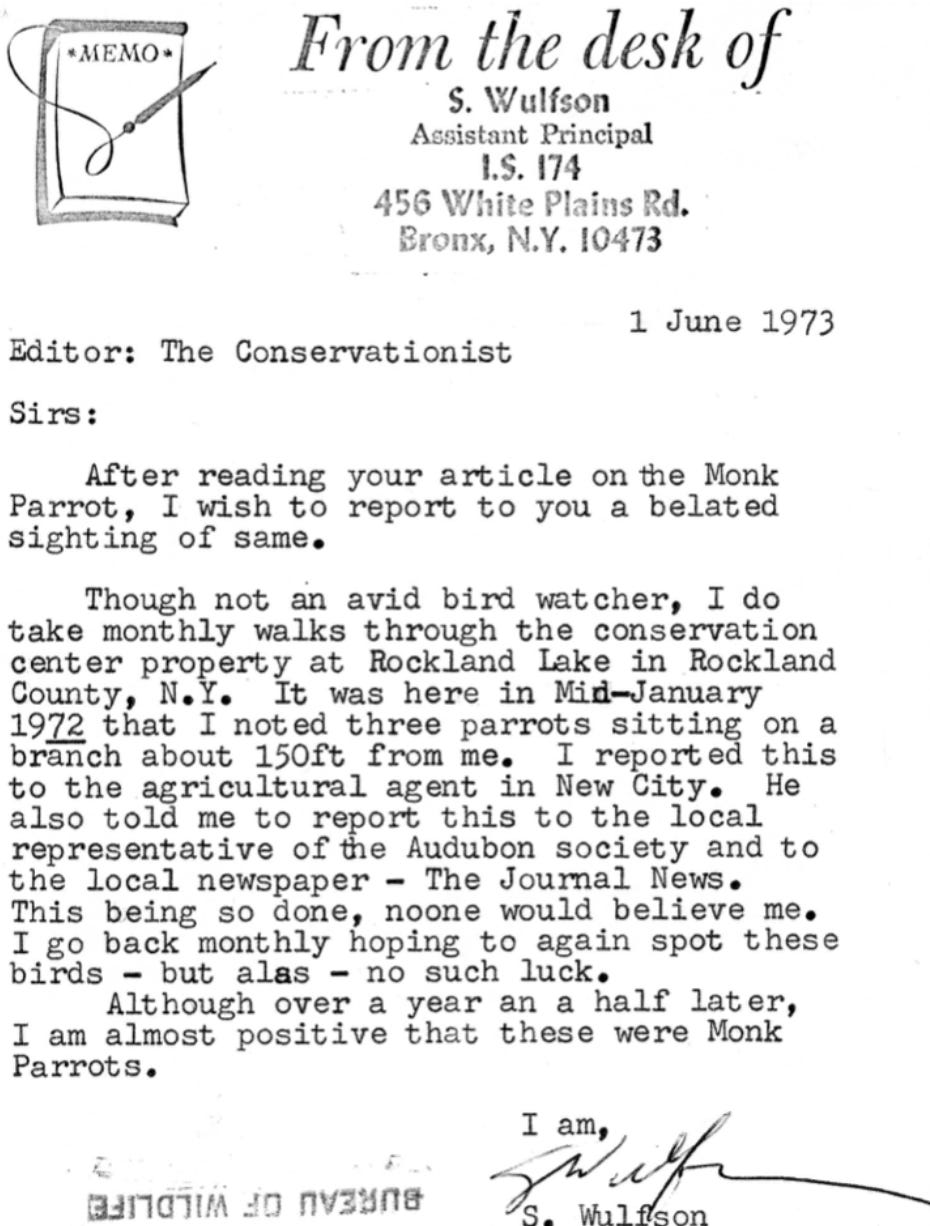
People began writing in. Like the principal who’d seen a bunch of parrots in the city and then couldn’t get anybody to believe him…
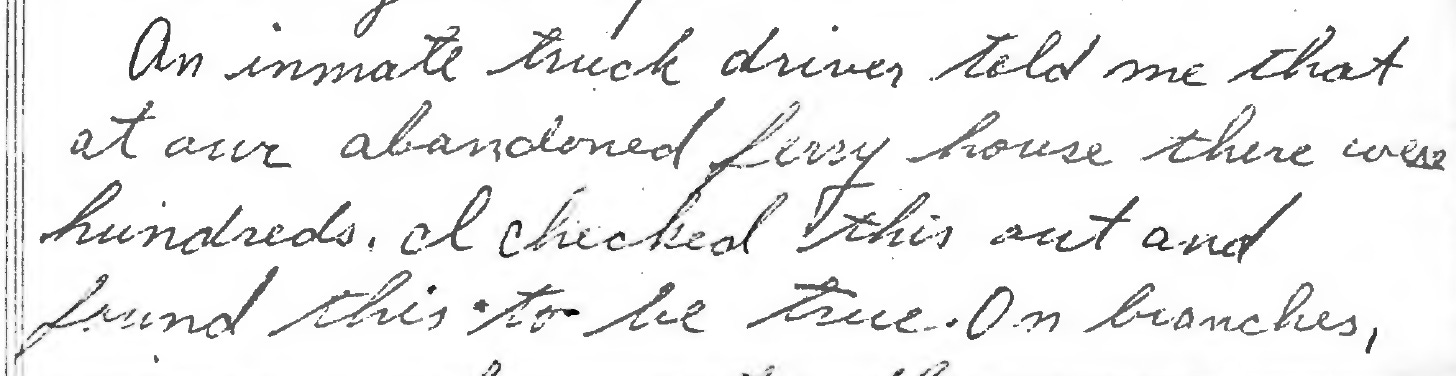
The corrections officer on Riker’s Island who, one day, noticed the inmates feeding a parrot some bread, thought it was strange (your tax dollars at work), and then discovered hundreds of parakeets in an abandoned building on the island.
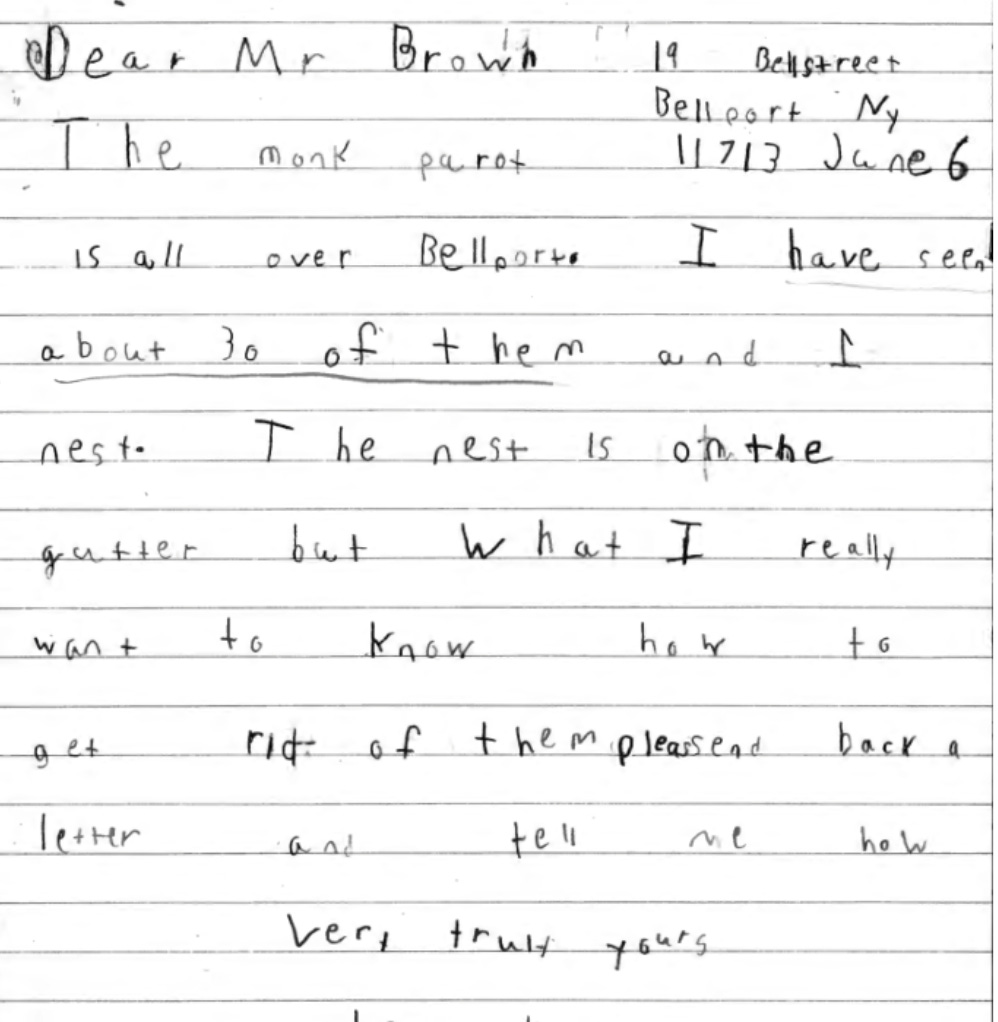
This kid who really wants to kill a parrot…
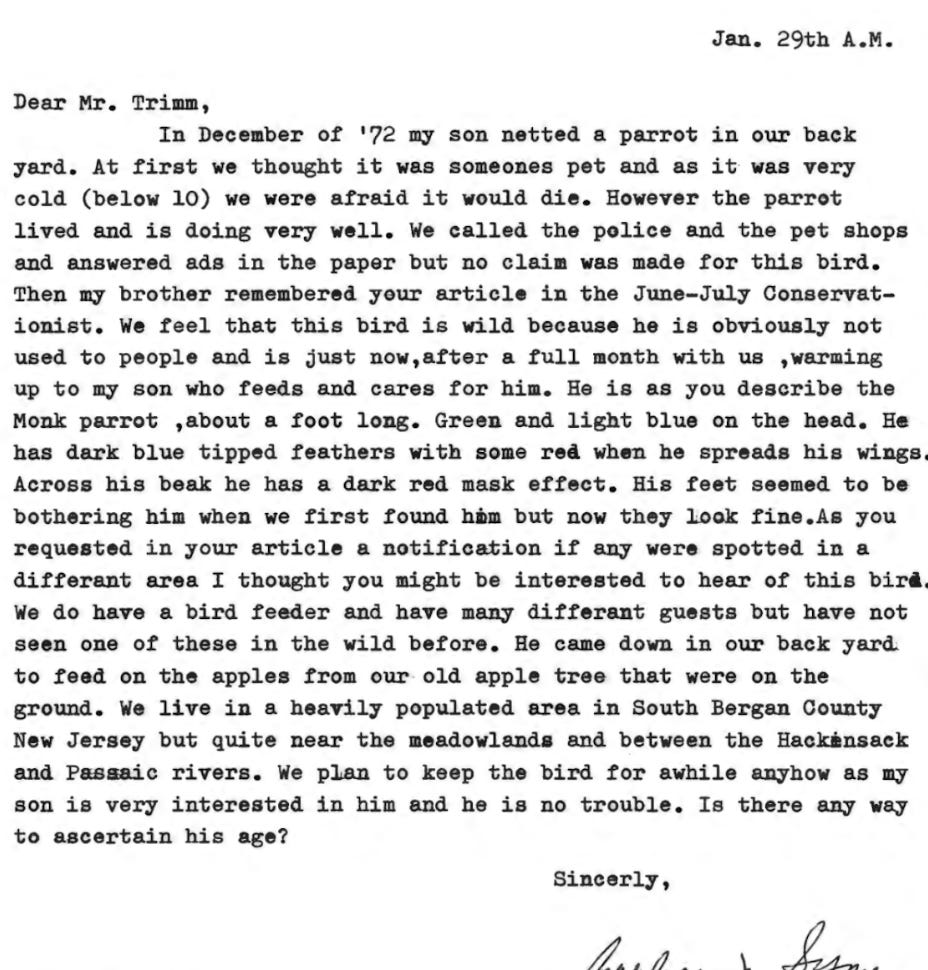
And this woman whose kid kept a parrot (turned out not to be a monk parakeet).
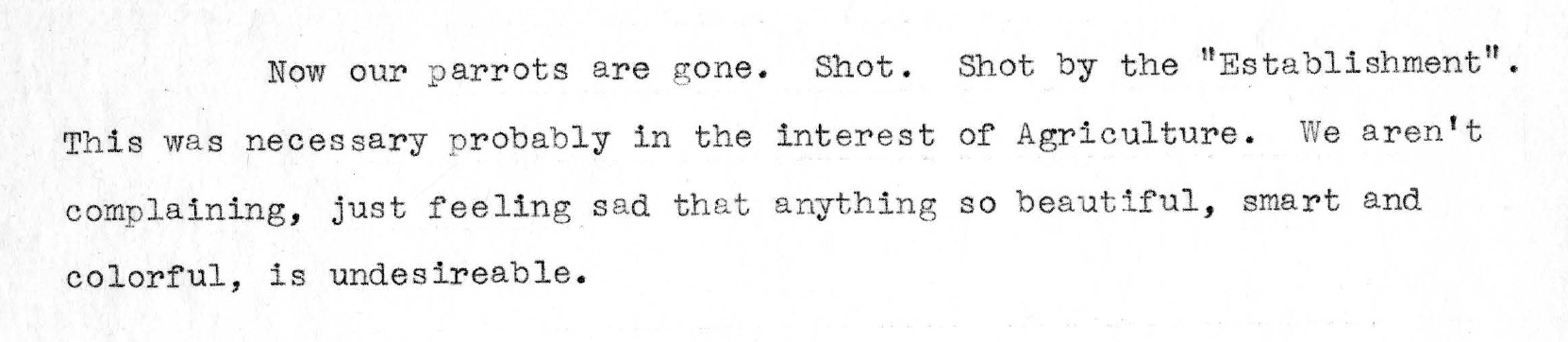
This was actually not very controversial, largely because the state called it a ‘retrieval’ campaign, rather than an ‘eradication’ campaign. Still some people protested…
But the state forged ahead. Problem was: Parakeets are very smart. So they had to keep coming up with new ways to catch them. Like this New Jersey official’s big idea for a new trap.
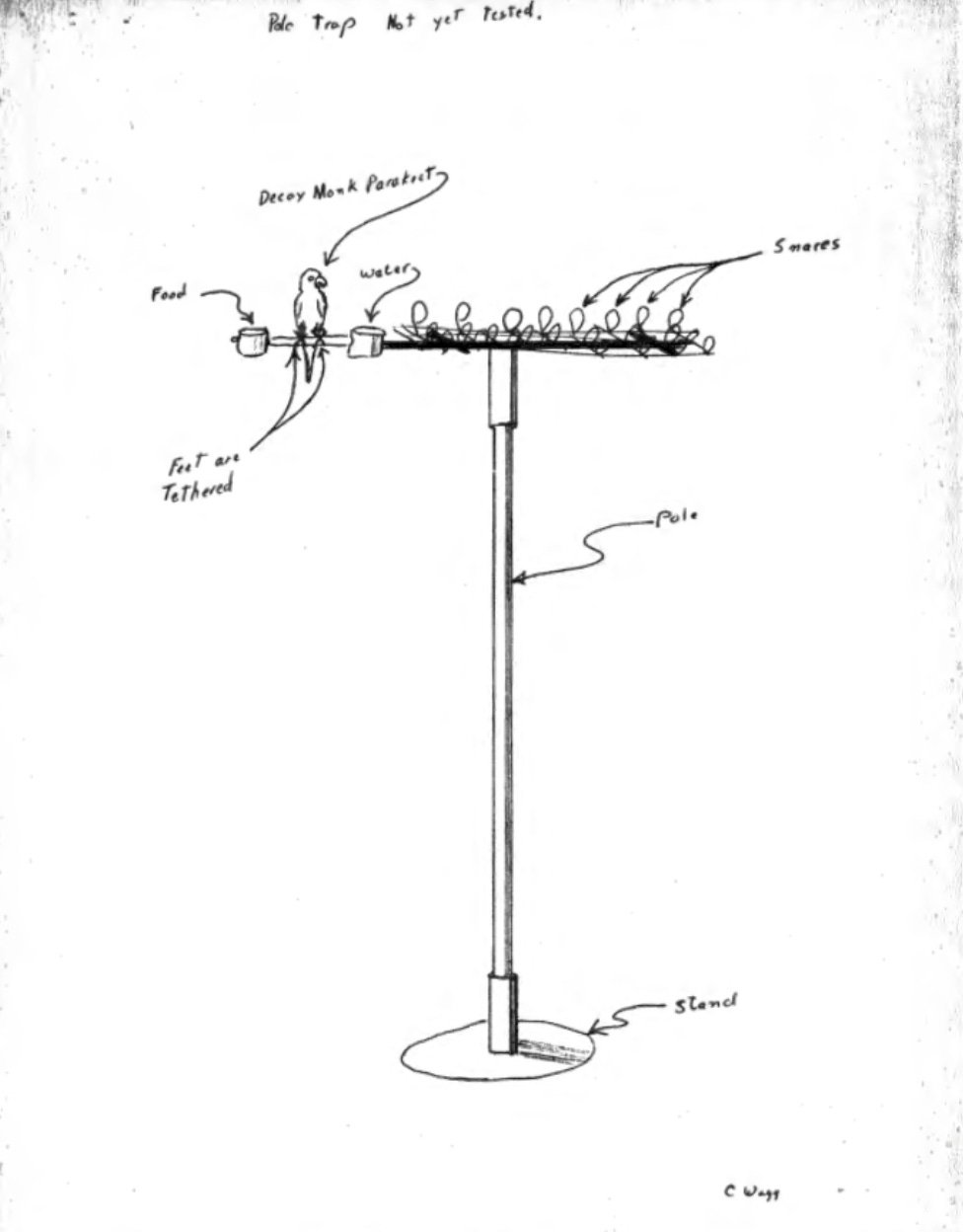
Eventually, the wildlife officials determined there were fewer than 10 parakeets remaining in the wild (“which we also intend to get,” they wrote). They sent congratulatory notes to each other on having killed all the parakeets. And they made plans to meet up at the Playboy Club for what they called ‘Bunny Hunting.’ (This is actually a recurring plan of theirs - they seem to have gone to the Playboy Club quite a lot, which might explain why there are still many parakeets in the city).

Problem is: They didn’t kill all the birds. Also, the parakeets never posed as much of a danger as they thought. This was clear early on, and yet still the campaign got very Captain Ahab & the Great White Whale. Why?
I think part of the reason is the widespread concern, those same years, not just about animal populations, but about human overpopulation. Unsustainable growth, growth passing all known limits. This was part of the first Earth Day; it was in best-selling books like The Limits to Growth, and films like Soylent Green.
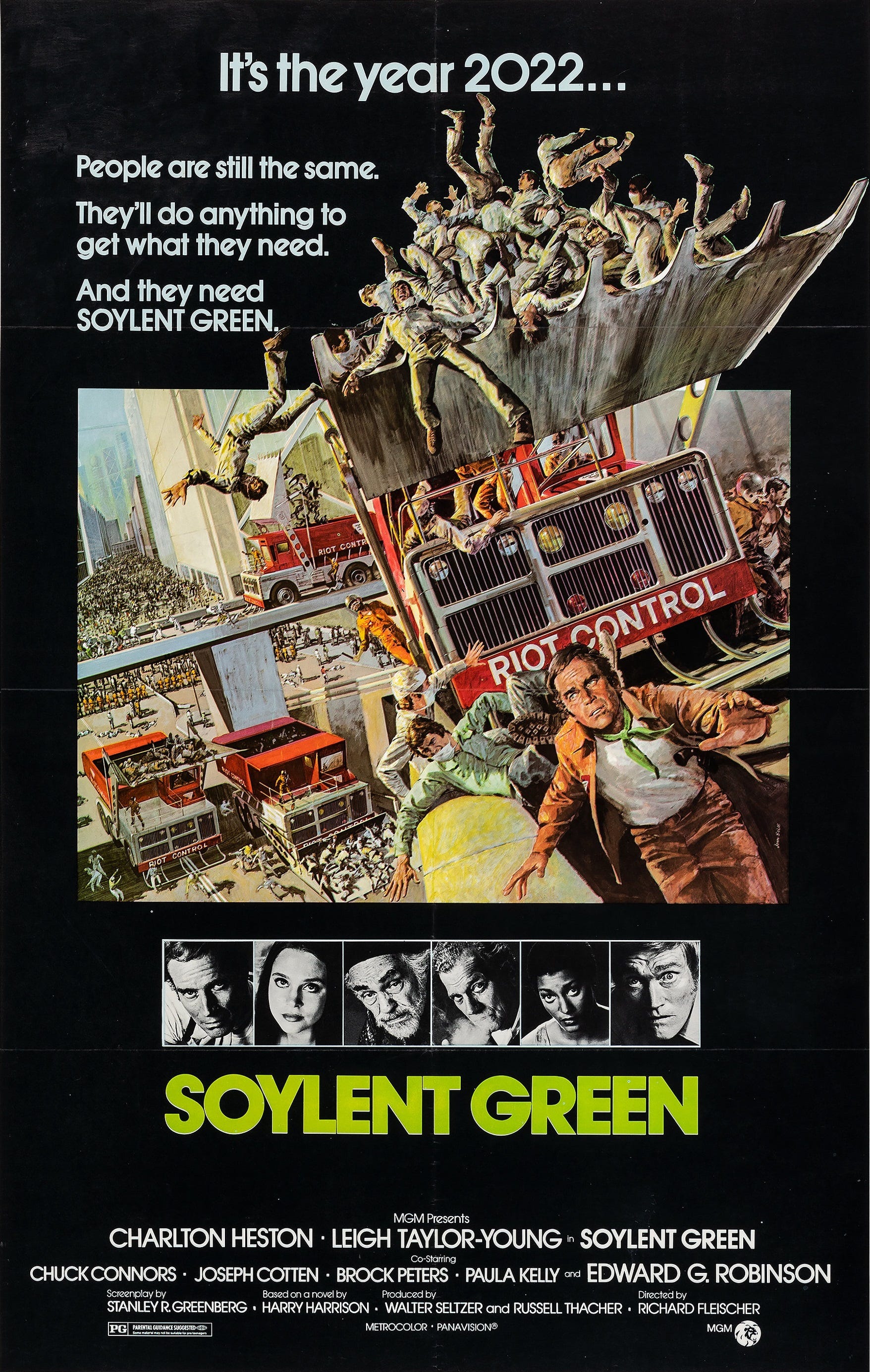
So this episode of the show is all about the parakeet panic as a shadow of the human population panic. I was thinking a lot about Melanie Challenger’s How To Be Animal, and the persistent effort across the 20th century to separate what is human from what is animal. The parakeet panic rhymes with that — the most human bird, punished for growing too fast at just the moment we feared the same about ourselves.
Am I crazy? Listen here to find out. Review, rate, review, and please share this newsletter with your friends!